
Entering the world of pottery is like stepping into a space where creativity, patience, and imagination flow together. Whether you’re learning to make your first bowl or simply exploring a new hobby, pottery offers endless possibilities to shape something meaningful with your hands. This beginner-friendly guide will walk you through everything you need to start confidently—tools, techniques, materials, and the mindset behind this beautiful craft.
Understanding What Pottery Really Is
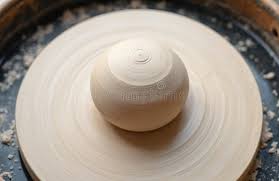
Pottery is one of the oldest art forms in human history, born from the simple act of shaping earth with our hands. It transforms raw clay into functional or decorative pieces through techniques like hand-building, wheel throwing, and firing. What makes pottery truly special is its blend of creativity, patience, and tactile experience—every piece carries the artist’s touch. Whether you aim to craft a cup, a sculpture, or a piece of home décor, pottery offers endless possibilities to express yourself. At its heart, it is the magical journey of turning humble clay into meaningful art.
Choosing the Right Type of Clay
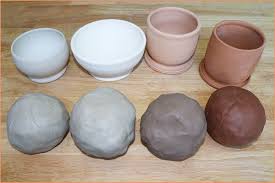
Choosing the right type of clay is one of the most important decisions for any beginner, as it determines how easy the material is to shape and what final results you can achieve. Earthenware is soft, forgiving, and perfect for hand-building simple pieces, while stoneware offers more durability and is commonly used for functional pottery like cups and bowls. Porcelain, though beautiful and elegant, is more challenging to work with due to its fine texture and high firing temperature. Each clay has its own personality—its own feel, flexibility, and firing requirements. Before starting a project, beginners should think about their goals, available tools, and the kiln type they’ll be using. Experimenting with small batches of different clays can help you understand which one feels most natural in your hands. Ultimately, the right clay is the one that lets you enjoy the process while learning comfortably.
Essential Tools You Need to Start
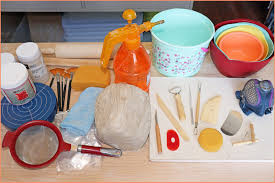
Starting pottery doesn’t require a huge collection of tools—just a few essentials that help you shape, refine, and finish your clay pieces. A sponge, wire cutter, and basic wooden tools are perfect for beginners, making it easy to smooth surfaces and cut clay cleanly. Needles and loop tools allow you to trim, carve, and add details as your skills grow. If you’re using a wheel, a simple set of ribs helps control the shape and thickness of your pottery. These tools are affordable, easy to find, and essential for learning proper technique. With just a small beginner toolkit, you can confidently explore everything from hand-building to wheel throwing.
Hand-Building: The Easiest Starting Technique
Hand-building is the most beginner-friendly way to start pottery because it relies entirely on your hands, simple tools, and imagination—no wheel required. Techniques like pinching, coiling, and slab building allow you to shape bowls, cups, planters, and decorative pieces with ease. This method helps beginners understand how clay behaves—how it bends, stretches, and holds form. Hand-building also encourages creativity, letting you experiment with textures, patterns, and organic shapes. Since it requires minimal equipment, it’s perfect for learning at home or in a small studio space. For many potters, hand-building becomes the foundation for mastering more advanced techniques later on.
Learning the Basics of Wheel Throwing
Wheel throwing is one of the most exciting parts of pottery, where beginners learn to shape clay using the gentle rotation of the wheel. The first step is mastering centering—pressing the clay firmly so it spins smoothly without wobbling. Once centered, you gradually open the clay and start pulling the walls upward to form bowls, cups, and cylinders. This process teaches patience, control, and coordination between your hands and the motion of the wheel. Although it may feel challenging at first, each attempt builds confidence and muscle memory. With practice, the rhythmic movement of the wheel becomes calming, almost meditative, turning the craft into a relaxing creative ritual. Learning wheel throwing opens the door to endless possibilities in pottery design and form.
Drying, Glazing & Firing Your First Piece
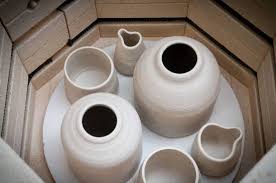
Once your pottery piece is shaped, the first step is allowing it to dry slowly and evenly to prevent cracks—this stage is called leather-hard, where the clay becomes firm enough for trimming or adding details. After it fully dries into bone-dry, it’s ready for the first firing, known as bisque firing, which strengthens the clay and prepares it for glazing. Glazing adds color, shine, and a protective layer, turning simple clay into functional art. After glazing, your piece goes into a second firing, where the heat melts the glaze into a smooth, glassy surface. This final transformation is often the most rewarding moment for beginners—seeing your handmade piece emerge from the kiln, fully finished. Each firing teaches patience and reminds you that pottery is both a craft and a magical process of change.