
The potter’s wheel is where the real magic of pottery begins—a place where a simple lump of clay transforms into something beautiful under your fingertips. For beginners, the first spin of the wheel is a powerful moment of discovery, filled with excitement, curiosity, and a bit of nervous thrill. As the wheel turns, you learn to center your clay, steady your hands, and connect with the rhythm that guides every movement. Slowly, the clay responds, rising and shaping itself into bowls, cups, or whatever your imagination leads you to create. This journey teaches patience, balance, and trust in the process, even when pieces wobble or collapse. Each attempt brings you closer to mastering the art, revealing new skills and new confidence. What starts as a hobby quickly becomes a meditative experience—one that calms your mind and unlocks your creativity. The potter’s wheel shows you that with focus and persistence, you can turn raw clay into meaningful art. And that transformation is where the true magic lies.
The First Spin
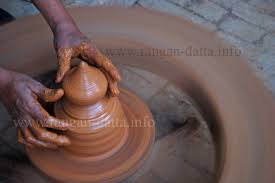
The first spin on the potter’s wheel is where your journey truly begins—equal parts excitement and uncertainty. As the wheel starts turning, you quickly realize that working with clay is more about feel than force. Your hands move with the rhythm of the wheel, guiding the clay as it softens and responds. You might wobble, lose shape, or splash water everywhere, but that’s part of the charm. Every beginner experiences this messy magic. The first spin isn’t about perfection—it’s about connection. It’s the moment you discover the joy of transforming raw clay into something meaningful.
Mastering Centering
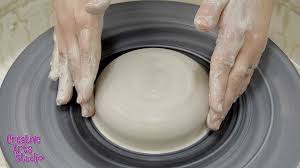
Centering is the foundation of every wheel-thrown piece, and mastering it takes patience and practice. You learn to steady your hands, lock your elbows, and apply just the right amount of pressure. At first, the clay resists you—wobbling, slipping, shifting off-balance. But slowly, the motion becomes smooth and the clay aligns perfectly with the wheel’s rotation. This moment feels powerful because you gain full control over the form you’re about to create. Centering teaches focus, calmness, and discipline.
Pulling the Walls
Pulling the walls is where your piece begins to take shape and rise. Using controlled, steady pressure, you guide the clay upward, thinning the walls evenly. This step requires patience and a delicate touch—too much pressure and the clay collapses; too little, and it stays thick and heavy. With each pull, you start to understand the clay’s behavior and build muscle memory. Watching the form grow taller is incredibly rewarding for beginners. It’s the moment when confidence truly kicks in.
- Practice even pressure control
- Learn to thin clay without tearing it
- Watch your form come alive
Shaping with Intention
Once the walls are pulled, shaping begins—where your artistic vision takes over. You decide whether your piece becomes a cup, a bowl, or something entirely unique. Shaping requires intention, slow movement, and careful refinement. You learn how small adjustments of your fingers dramatically change the final form. This moment feels empowering because it blends technique with creativity. With each curve and contour, your piece gains personality.
Trimming for Perfection
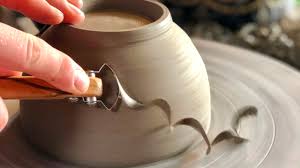
Trimming refines your piece, cleaning up the bottom and giving it a polished, professional finish. Once the clay is leather-hard, you place it back on the wheel and carve away excess material. This step teaches you precision and highlights how much difference small details make. For beginners, trimming is often the most satisfying part—it transforms rough shapes into elegant forms. You also have the chance to add foot rings or decorative textures.
- Create smooth, clean bases
- Improve the balance and weight of the piece
- Add personal decorative touches
Celebrating Your First Piece
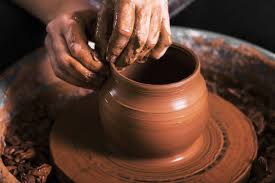
Finishing your first pottery piece feels like a milestone worth celebrating. After drying, glazing, and firing, your creation comes out of the kiln transformed—stronger, colorful, and full of character. Even if it’s imperfect, it carries the story of your learning journey. This moment inspires pride and encourages you to keep improving. Your first piece is a reminder that with patience and practice, your skills will grow more refined with every attempt.
- Appreciate your progress
- Embrace imperfections with pride
- Begin building your creative portfolio