
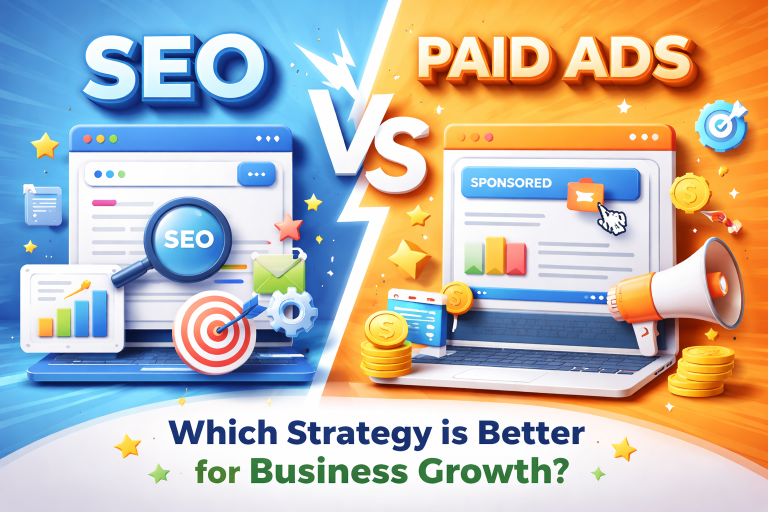
Choosing the right marketing strategy is crucial for business success. The debate around SEO vs Paid Ads often comes down to long-term growth vs instant results. Both strategies have their own strengths, but understanding how they work helps you make smarter decisions.
If you want to build a strong online presence, you need to know when to use search engine optimization (SEO) and when to invest in paid advertising (PPC).
What is SEO?
SEO vs Paid Ads starts with understanding SEO. Search Engine Optimization (SEO) is the process of improving your website to rank higher in organic search results.
It focuses on:
- Optimizing keywords and content
- Improving website performance
- Building quality backlinks
SEO helps drive organic traffic without paying for clicks.
What are Paid Ads?
In the SEO vs Paid Ads comparison, paid ads refer to advertising where you pay to appear on search engines or social platforms.
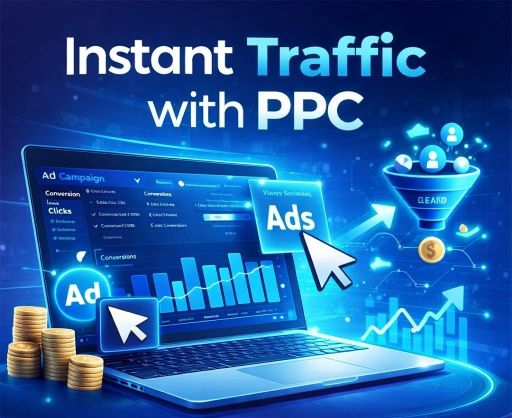
This includes:
- Pay-Per-Click (PPC) ads
- Display advertising
- Social media ads
Paid ads deliver instant visibility and quick traffic. To get started with paid advertising, you can explore our Google Ads for Beginners guide for a step-by-step approach to creating profitable campaigns. It will help you understand how to run ads effectively and maximize your ROI.
SEO vs Paid Ads: Key Differences
Understanding the core differences in SEO vs Paid Ads helps you choose the right strategy.
1. Cost Comparison
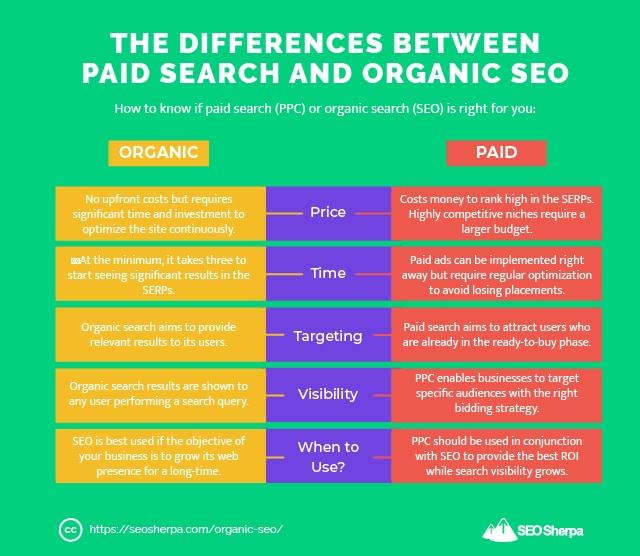
When evaluating SEO vs Paid Ads, cost comparison is one of the most important factors for businesses. SEO requires time, effort, and consistent optimization, but it becomes cost-effective in the long run by generating organic traffic without ongoing payments. In contrast, paid ads require continuous spending to maintain visibility and traffic.
- SEO: Requires time and effort but offers long-term cost efficiency
- Paid Ads: Needs ongoing budget for consistent traffic
SEO provides sustainable growth, while paid ads deliver quick results.
2. Traffic Speed
- SEO:
Takes time to show results - Paid Ads:
Drives traffic immediately
Paid ads are ideal for short-term campaigns.
3. ROI and Long-Term Value
- SEO:
Builds long-term value and consistent traffic - Paid Ads:
Stops delivering results once you stop spending
SEO delivers better long-term ROI.
4. Trust and Credibility
When comparing SEO vs Paid Ads, trust and credibility play a major role in user behavior. SEO helps build trust as users tend to rely more on organic search results, while paid ads are sometimes ignored by users who prefer non-promotional content.
- SEO: Builds trust through organic rankings
- Paid Ads: Some users skip ads and prefer organic results
SEO helps strengthen brand credibility and long-term trust.
SEO vs Paid Ads: Pros and Cons
Understanding the pros and cons of each strategy helps you choose the right approach for your business goals. Both methods offer unique advantages, but they also come with certain limitations.
Pros of SEO
SEO vs Paid Ads shows that SEO is ideal for building long-term success. It focuses on organic growth, helping your website gain visibility and trust over time.
- Long-term traffic growth
- Builds authority and trust
- Cost-effective over time
Cons of SEO
While SEO is powerful, it requires patience and continuous effort. Results don’t happen overnight, and ongoing optimization is necessary to stay competitive.
- Takes time to see results
- Requires continuous optimization
Pros of Paid Ads
In the SEO vs Paid Ads comparison, paid ads stand out for delivering fast and measurable results. They are highly effective for businesses that want immediate visibility.
- Instant results and visibility
- Highly targeted audience reach
- Easy to scale campaigns
Cons of Paid Ads
Despite their advantages, paid ads can become expensive if not managed properly. Also, results depend on your budget and stop once spending ends.
- Can be expensive
- Results stop when budget ends
SEO vs Paid Ads: Which is Better for Your Business?
The answer to SEO vs Paid Ads depends on your business goals and timeline.
Choose SEO if you want:
- Long-term growth
- Consistent organic traffic
- Strong brand authority
Choose Paid Ads if you want:
- Immediate traffic
- Quick leads and sales
- Fast campaign results
SEO vs Paid Ads: When to Use Each Strategy
Understanding SEO vs Paid Ads becomes easier when you know when to use each approach. Both strategies work best in different situations depending on your business needs and timeline.
- Use SEO when you want long-term organic growth
- Use Paid Ads when you need instant traffic and quick results
- Combine both for a balanced marketing strategy
Choosing the right timing can significantly improve your marketing performance. For a deeper understanding, explore these SEO vs PPC insights to see how both strategies perform across different business goals and budgets. This resource will help you make data-driven decisions and optimize your marketing strategy effectively.
Best Strategy: Combine SEO and Paid Ads
Instead of choosing one, the smartest approach in SEO vs Paid Ads is to use both together.
How to combine them:
- Use SEO for long-term visibility
- Use Paid Ads for quick wins and promotions
This creates a balanced and powerful marketing strategy.
SEO vs Paid Ads: Future Trends in 2026
The landscape of SEO vs Paid Ads is constantly evolving. Staying updated with trends can give your business a competitive advantage.
- Increased focus on AI-driven marketing
- More emphasis on user experience (UX)
- Growth of automation in paid advertising
Adapting to trends ensures long-term success.
Common Mistakes to Avoid
Many businesses struggle with SEO vs Paid Ads due to common mistakes:
- Ignoring SEO while focusing only on ads
- Spending on ads without tracking ROI
- Targeting the wrong keywords
Avoiding these mistakes can improve your results significantly.
Best Practices for SEO vs Paid Ads
To succeed in SEO vs Paid Ads, follow these simple tips:
- Focus on user intent and keyword strategy
- Optimize both ads and landing pages
- Track performance regularly
- Test and improve campaigns
Consistency leads to better performance and higher conversions.
Conclusion
The comparison of SEO vs Paid Ads is not about choosing one over the other. It’s about understanding how each strategy fits into your overall marketing plan.
SEO builds a strong foundation, while paid ads provide instant results. When used together, they create a powerful system that drives sustainable business growth. Businesses that combine SEO and paid ads often achieve faster growth and better ROI compared to using a single strategy.