
Starting pottery requires more than creativity; it begins with understanding the essential tools that shape every piece you create. From simple wooden ribs to the spinning wheel, each tool plays a unique role in transforming raw clay into meaningful art. Beginners often find comfort in hand tools like needle tools, sponges, and loop tools, which help with shaping, trimming, and refining edges. As skills grow, the pottery wheel becomes a powerful companion, offering precision and fluidity in form. Kilns, though intimidating at first, open the door to glazing, firing, and bringing durability to your creations. Even small accessories—like wire cutters, bats, and boards—add convenience and enhance your workflow. Learning these tools step-by-step helps beginners feel confident and in control throughout the creative process. With the right equipment, pottery becomes not just an art form but a deeply rewarding experience.
Essential Hand Tools
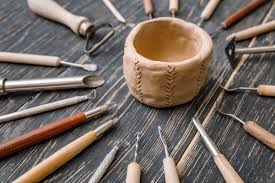
Hand tools form the foundation of every beginner’s pottery journey. Simple items like ribs, sponges, and needle tools help shape, smooth, and refine your clay from the very first touch. These tools allow you to explore texture, carve details, and control moisture with ease. Because they’re lightweight and intuitive, beginners quickly grow comfortable using them during all stages of pottery. Loop tools help remove excess clay, while wooden knives support clean cuts and edges. Even a basic wire cutter becomes indispensable in separating clay and lifting pieces from the wheel. With just a small toolkit, you can create countless forms and surfaces. Mastering hand tools strengthens your techniques and builds confidence before moving to advanced equipment.
- Wooden & metal ribs for shaping
- Needle tools for precision
- Loop tools for trimming
- Sponges for moisture control
- Wire cutters for slice & lift
The Potter’s Wheel
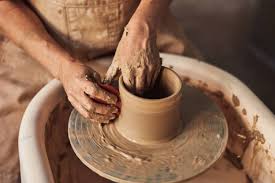
The potter’s wheel is often seen as the heart of the studio, where creativity meets discipline. It allows you to create symmetrical forms, flowing curves, and perfectly centered pieces. Beginners may find wheel throwing challenging at first, but the rhythm soon becomes calming and meditative. The wheel teaches balance—too little pressure and the clay wobbles; too much and it collapses. Mastering centering is the first big victory, followed by pulling walls and shaping bowls, cups, and vases. Over time, the wheel becomes an extension of your hands and imagination. It’s the perfect tool for those who want precision, speed, and the joy of watching clay transform in seconds.
- Ideal for bowls, cups & vases
- Builds control & technique
- Encourages flow & focus
- Great for learning symmetry
- Perfect for beginners & pros
Kilns & Firing Equipment

Kilns are the powerhouse of pottery, turning fragile clay into durable ceramic art through intense heat. This step transforms your creations into strong, finished pieces ready for glazing or use. Electric kilns are popular among beginners for their safety and ease, while gas and wood kilns offer unique textures and colors. Firing requires careful planning—temperature, timing, and clay type all influence the final outcome. The magic happens invisibly inside the kiln, yet the results often exceed expectations. Glazes melt into glass, colors deepen, and textures come alive. Understanding kiln basics gives you more control and reduces firing mishaps.
- Electric, gas & wood kilns
- Bisque vs. glaze firing
- Temperature control matters
- Safety gear required
- Creates durable ceramic pieces
Slab Rollers & Extruders
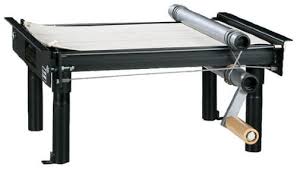
Slab rollers help create even sheets of clay perfect for plates, tiles, and sculptural designs. They save time and ensure consistent thickness, especially useful for beginners who struggle with rolling pins. Extruders push clay through shaped dies, producing uniform coils, handles, or decorative strips. These tools expand creative possibilities while improving precision and speed. Both slab rollers and extruders reduce physical strain, making pottery more accessible. Whether you’re crafting geometric pieces or intricate handles, these tools bring clean professional results. They’re especially valuable in studios that produce multiple pieces every day.
Trimming & Finishing Tools
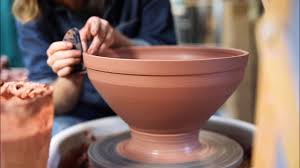
Trimming tools refine your pottery pieces, making them lighter, smoother, and more polished. They help shape clean foot rings, remove excess clay, and correct uneven forms. Finishing tools such as ribs, burnishers, and sponges add the final touches that elevate a piece from amateur to professional. Good trimming creates balance and improves drying, reducing cracks and warping. It’s a satisfying stage of pottery where details truly matter. Even beginners quickly appreciate how trimming transforms the look and feel of their work. The right finishing tools bring out the character of each creation.
- Loop tools for foot rings
- Ribs for smoothing surfaces
- Burnishers for shine
- Sponges for final cleanup
- Enhances structure & design
Glazing Stations
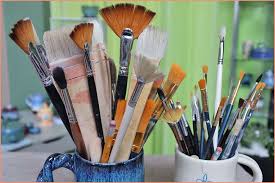
Glazing stations are the colorful playground of pottery, where pieces come to life with shine, texture, and personality. A well-organized station includes glazes, brushes, tongs, mixing tools, and safety gear. Here, you can experiment with dipping, brushing, layering, or spraying glazes to create stunning visual effects. Beginners enjoy the surprise element because the final results appear only after firing. Proper glazing technique ensures even coverage and avoids drips or bare spots. A clean, accessible station encourages creativity and helps maintain glaze cleanliness. This area truly bridges crafting and artistry.
- Includes glazes, brushes & tools
- Supports dipping & brushing techniques
- Encourages experimentation
- Improves finish quality
- Safety and cleanliness are key