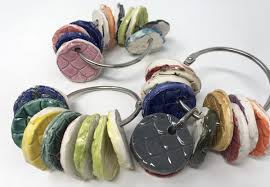
Selecting the right clay is one of the most important decisions every potter must make—especially when you’re just starting your journey. Different clays behave differently on the wheel, respond uniquely to heat, and create entirely distinct textures and finishes. From smooth, silky porcelain to rugged, earthy stoneware, each type brings its own personality to your pieces. Understanding the properties of clay helps you choose one that matches your style, skill level, and the kind of pottery you want to create. Some clays are forgiving and beginner-friendly, while others demand precision and patience. The right clay can make your creative process enjoyable and your results more satisfying. As you experiment, you’ll start to see how clay becomes more than a material—it becomes your creative partner.
Understanding Clay Families
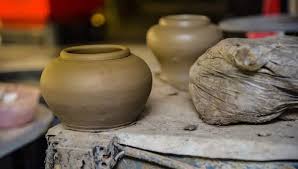
Choosing clay begins with understanding the three major “clay families”: earthenware, stoneware, and porcelain. Each type behaves differently in the studio, affecting how you shape, fire, and finish your pieces. Beginners often don’t realize how much the clay body influences their success at the wheel. Some clays stay soft and workable longer, while others dry quickly and require more skill. Knowing the traits of each family helps you avoid frustration and choose confidently. When you understand clay, you don’t just make pottery—you collaborate with it.
- Three main clay types: Earthenware, Stoneware, Porcelain
- Each has unique firing ranges and textures
- Helps you match clay to your skill level and project type
Earthenware: Great for Beginners
Earthenware is the friendliest clay for new potters because it’s soft, forgiving, and easy to shape. Its lower firing temperature makes it less risky and more accessible for home studios or basic kiln setups. The natural reddish-brown color gives pieces a warm, rustic character. Because it’s less demanding, beginners can focus on creativity instead of technique. Earthenware is perfect for basic bowls, mugs, tiles, and decorative items, helping learners build confidence quickly.
- Soft, easy to mold, beginner-friendly
- Low firing temperature
- Ideal for simple functional or decorative pieces
Stoneware: Strong and Versatile
Stoneware is the go-to choice for most studio potters because of its balance between strength, workability, and durability. It fires to a mid or high range, producing tough, functional pottery perfect for daily use. Stoneware holds its form better than earthenware, making it ideal for wheel throwing and more advanced shapes. Its earthy tones and ability to pair beautifully with glazes give it a timeless appeal. Whether you’re crafting dinnerware or sculptural pieces, stoneware grows with you as your skills improve.
Porcelain: Elegant but Demanding
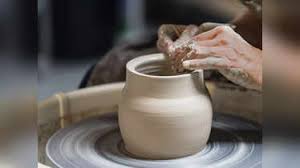
Porcelain is admired for its luminous white finish, delicate appearance, and fine texture—but it’s also the most challenging clay to master. Its smoothness makes it less forgiving, and it collapses more easily if not perfectly centered. Porcelain requires patience, precision, and a good understanding of moisture control. However, once mastered, it allows potters to create elegant, refined pieces that look almost weightless. It’s the clay that rewards skill with beauty.
- Very smooth and refined
- Difficult to center and shape
- Produces delicate, stunning pottery
Factors to Consider Before Choosing
Before selecting a clay, consider your skill level, firing temperature, studio setup, and the type of pieces you want to create. Some clays require specific kilns or higher firing ranges, while others work well with basic setups. Think about the final look you want—rustic, glossy, earthy, or refined. Your creative goals should guide your clay choice more than trends or what others prefer. Choosing mindfully helps you avoid wasted material and disappointing results.
- Skill level: beginner vs. advanced
- Kiln type & temperature
- Desired finish and functionality
Testing Through Sample Pieces
Every clay behaves differently, so testing small sample pieces is one of the smartest habits a potter can develop. By making mini bowls, slabs, or tiles, you can observe shrinkage, glaze reaction, and firing results before committing to a big project. Testing helps you avoid unexpected cracks, warping, or color changes. It also deepens your understanding of how clay responds to your hands and techniques. Think of it as a conversation between you and the material.