
Pottery is a beautiful craft, but every beginner—and even experienced artists—faces mistakes along the way. The key is not avoiding them entirely, but learning from each slip, crack, and wobble. One of the most common issues is improperly wedged clay, which traps air bubbles and leads to unexpected explosions in the kiln. Another frequent struggle is poor centering on the wheel, causing uneven walls or collapsing forms. Rushing the drying process can also cause dramatic cracks, while using the wrong glaze–clay combinations often results in unpredictable finishes. Even something as simple as using too much water while throwing can weaken your piece. The good news? Each mistake is a stepping stone to mastery. With patience, practice, and mindful technique, every challenge becomes part of your creative evolution.
Skipping Clay Wedging
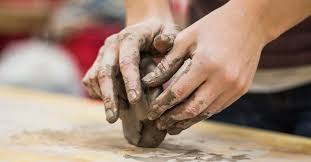
Wedging is the warm-up your clay desperately needs, and skipping it often leads to air bubbles, cracks, or wobbling walls. Many beginners rush straight to the wheel, only to watch their piece collapse unexpectedly. Proper wedging ensures the clay is smooth, consistent, and responsive under your hands. It also removes hidden pockets of air that can cause kiln explosions. Taking two extra minutes to wedge can save hours of work. Think of it as tuning your instrument before the performance. Smooth clay equals smooth results.
- Removes air bubbles
- Improves plasticity
- Prevents collapsing on the wheel
- Ensures even moisture throughout
Using Too Much Water
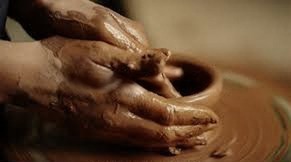
Water helps clay glide under your fingers, but too much of it turns your masterpiece into mush. Beginners often soak the wheel with water, thinking it makes shaping easier, but it actually weakens the clay walls. Excess water also causes slumping and peeling, especially during trimming. The key is using water sparingly—just enough to keep the surface smooth. A damp sponge is often more effective than constant dipping. Over time, you’ll learn to trust the clay’s natural softness.
- Weakens structure
- Causes collapse and wobble
- Makes trimming difficult
- Takes longer to dry
Uneven Wall Thickness
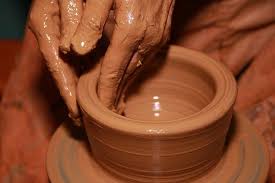
Even walls are essential for both beauty and durability, yet beginners often struggle with controlling pressure. Thicker bottoms and thin rims cause stress points that crack in the kiln or warp during drying. Uneven walls also affect balance and function, especially for bowls and mugs. Consistency comes from moving slowly, keeping steady pressure, and checking thickness as you pull the walls upward. Learning to sense thickness with your fingertips takes practice—but it’s one of the marks of a skilled potter.
- Causes cracks and warping
- Affects balance and usability
- Leads to uneven drying
- Makes glazing unpredictable
Rushing the Drying Process
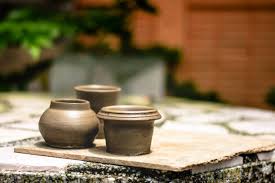
Clay has its own pace, and trying to force it to dry faster usually backfires. Rapid drying causes cracks, splits, and weak spots, especially in larger pieces. Beginners often place pieces under fans or sunlight, hoping to speed things up—but pottery rewards patience. Even, slow drying helps the clay settle naturally and reduces breakage before firing. Covering your piece lightly with plastic allows moisture to escape gradually. Letting the clay rest is part of the art.
- Leads to cracks and splits
- Warps shape
- Weakens structural integrity
- Causes glaze issues later
Incorrect Glaze Application
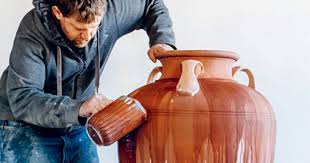
Glazing can transform a simple pot into a work of art—but applying it incorrectly leads to drips, uneven colors, or bare patches. Too thick, and the glaze pools and sticks to kiln shelves; too thin, and the surface looks dull and patchy. Clean surfaces and precise technique are essential. Beginners also forget to wax the foot, leading to stuck pieces. Testing glazes beforehand helps avoid unpleasant surprises. Glazing is chemistry and creativity combined.
- Causes running or pooling
- Creates uneven textures
- Can fuse to kiln shelves
- Impacts final color accuracy
Overlooking Kiln Safety

The kiln is the heart of a pottery studio—but it demands respect. Beginners often underestimate the risks, from stacking pieces too close to ignoring firing temperatures. Overlooking safety can damage your work, the kiln, and even cause injury. Proper ventilation, correct loading, and understanding firing schedules are essential habits. Always check for glaze on the base and use stilts or kiln wash when needed. Kiln safety isn’t just a rule—it’s a craft discipline.
- Prevents kiln damage
- Ensures safe firing
- Reduces glaze-melting accidents
- Protects the studio environment