
Glazing is where pottery truly comes alive—turning plain clay into vibrant, glossy, matte, or textured works of art. For many potters, it’s the most magical part of the process because no two kiln results ever look exactly the same. From earthy tones to bold, expressive colors, glazes allow you to shape the personality of each piece. Understanding how different chemicals interact at various temperatures helps you predict (or intentionally surprise yourself with) final outcomes. Techniques like dipping, brushing, layering, and pouring all create distinct visual effects. Glazes can reveal the texture of the clay, hide imperfections, or create dramatic contrasts. Even beginners can play with reactive glazes or speckled finishes to achieve professional-looking results. Whether you prefer smooth satin finishes or crackled rustic surfaces, glazing opens up endless creative possibilities. It is the final stage where craftsmanship meets chemistry—and where every pot tells its own story.
What Is Glaze?
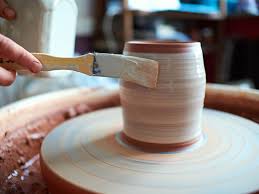
Glaze is the glass-like coating that transforms raw pottery into colorful, durable, and food-safe art. It begins as a mixture of minerals, clay, and pigments that melt during firing, creating smooth or textured surfaces. Glazes can enhance the natural beauty of the clay or completely change its character, depending on your artistic vision. For beginners, understanding glaze is the key to unlocking endless creative styles—from glossy finishes to rustic matte tones. Each glaze reacts differently in the kiln, making every piece uniquely magical.
- Made from minerals, pigments, and silica
- Melts during firing to form a glass surface
- Adds color, texture, and protection
- Essential for functional pottery
Choosing the Right Glaze
Selecting the right glaze depends on your clay type, firing temperature, and artistic goals. Some glazes flow more freely, producing beautiful drips, while others stay opaque and smooth for clean finishes. Beginners often start with stable glazes that offer predictable results, while advanced potters experiment with reactive glazes. Choosing colors that complement your clay body also makes a big difference in the final outcome. Remember, glaze is not just decoration—it’s an essential part of your pottery’s personality.
Dipping vs. Brushing
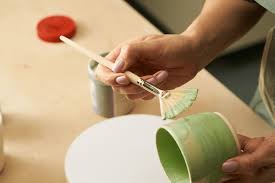
Dipping and brushing are two simple but versatile glazing techniques that create beautifully different results. Dipping covers the piece quickly and evenly, making it perfect for smooth, professional finishes. Brushing, on the other hand, allows for more control and creativity—ideal for layering colors or adding painterly effects. Potters often combine both techniques depending on the look they want to achieve. Each method has its rhythm, and mastering them brings you closer to your signature style.
- Dipping: fast, even coverage
- Brushing: controlled, artistic application
- Can combine both for unique textures
- Great for beginners and experts alike
Layering Colors
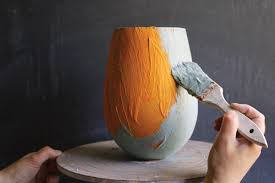
Layering glazes creates dynamic surfaces with depth, blending, and unexpected color combinations. Applying one glaze over another can produce soft transitions or dramatic contrasts depending on thickness and firing temperature. This technique encourages creativity and experimentation because results often vary from piece to piece. Layering works beautifully on textured pottery, allowing glazes to settle in grooves and highlight details. With practice, you’ll discover which combinations bring your artistic vision to life.
- Apply multiple glazes for depth
- Experiment with order and thickness
- Works well on textured surfaces
- Creates unpredictable artistic effects
Underglaze for Fine Art
Underglaze is a favorite for potters who love painting, illustration, and detailed surface design. Unlike glaze, underglaze stays stable during firing, allowing for crisp lines and vibrant artwork. You can use brushes, sponges, or carving tools to create rich patterns or imagery. Many artists blend underglaze with sgraffito, stamping, or stenciling for more expressive surfaces. After decorating, a clear glaze is applied to protect the artwork and add shine.
The Magic of the Kiln
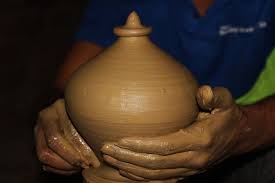
The kiln is where the real transformation happens—turning soft clay and liquid glaze into durable, finished pottery. Inside the kiln, intense heat causes chemical reactions that create unexpected colors, textures, and patterns. Even experienced potters feel excitement and anticipation when opening the kiln after firing. Variations in temperature, atmosphere, and placement can influence each piece, making the process feel like a blend of science and magic. This final step completes the artistic journey from raw clay to functional art.
- High heat transforms clay and glaze
- Chemical reactions create unique effects
- Every firing brings surprises
- Final stage of the pottery-making process