
Functional and decorative pottery may share the same clay roots, but they grow into entirely different artistic expressions. Functional pottery focuses on utility—mugs that feel perfect in your hands, bowls that balance well, plates that stack neatly. Every curve and thickness must serve a purpose. Decorative pottery, on the other hand, exists to inspire, adorn, and express; it doesn’t have to hold water or survive daily use. Instead, it celebrates form, detail, texture, and visual storytelling. While functional pieces blend craftsmanship with practicality, decorative pieces give artists complete creative freedom. Understanding the difference helps beginners choose their direction—and reminds them that both forms are equally magical in their own way.
Understanding Functional Pottery
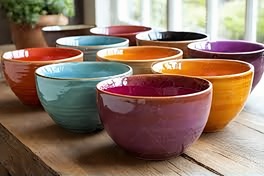
Functional pottery is crafted with everyday use in mind, focusing on durability, comfort, and practicality. These pieces are designed to hold food, beverages, or household items, so structure and usability become the priority. Every curve, handle, and thickness matters because it affects the user’s experience. Functional ware also requires balanced weight and smooth surfaces to ensure safe and comfortable handling. While aesthetics still play a role, they must support the purpose of the piece rather than overpower it. This harmony between design and function is what makes functional pottery both beautiful and useful.
- Made for daily use (mugs, bowls, plates, jars)
- Focus on durability and ergonomics
- Structure and shape influence user experience
- Must be heat-, moisture-, and wear-resistant
The Purpose of Decorative Pieces
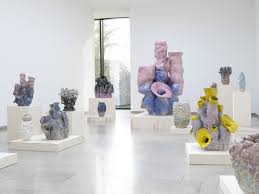
Decorative pottery exists purely to bring beauty, emotion, and creativity into a space. Unlike functional pottery, these pieces do not require durability or practicality, allowing artists to push the boundaries of shape, texture, and experimentation. Sculptural forms, intricate carvings, and bold glazes often take center stage. These creations express stories, culture, or artistic identity, making them ideal for home décor or gallery display. The freedom in decorative pottery allows potters to explore new techniques without functional restrictions.
Material Choices
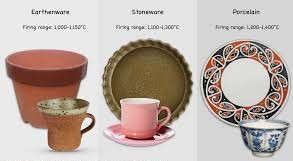
The type of clay chosen greatly influences the final outcome, usability, and appearance of the pottery piece. Functional pottery often uses strong, high-firing clays like stoneware or porcelain because they produce durable, long-lasting items. Decorative pottery may use earthenware or mixed clay bodies, allowing for softer textures and more expressive shapes. Each clay reacts differently to water, tools, and firing temperatures. Choosing the right material ensures the final piece meets its intended purpose. This decision also affects glaze absorption, color, and surface quality.
- Stoneware = durable and ideal for everyday use
- Earthenware = easier for decorative pieces
- Porcelain = refined, strong, and challenging
- Clay choice affects glazing and firing results
Design & Aesthetic Differences
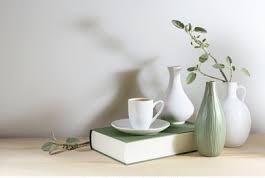
Functional and decorative pottery differ significantly in their visual and structural approach. Functional pieces usually have balanced proportions, ergonomic forms, and smooth finishes. Decorative pieces, however, can be asymmetrical, abstract, and highly textured. Functional items prioritize usability, while decorative pottery celebrates artistic expression. Glaze applications also vary—functional pottery requires safe, even coatings, while decorative pottery can explore dripping, carving, and layering without restrictions.
- Functional = simple, practical, symmetrical
- Decorative = expressive, abstract, textured
- Glaze choices vary depending on purpose
- Aesthetics support function or freedom
Glaze Requirements
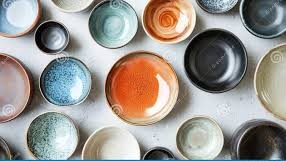
Glazing plays a crucial role in determining whether a pottery piece is safe, durable, or purely decorative. Functional pottery requires food-safe glazes that can withstand heat, washing, and frequent handling. These glazes must be free of toxic materials and properly bonded through firing. Decorative pottery allows for more experimental glazes like crackles, matte finishes, or metallic effects. The firing temperature affects glaze performance, making compatibility essential for a successful outcome.
- Functional glazes must be food-safe
- High-fired glazes improve durability
- Decorative glazes can be experimental
- Glaze and clay must be temperature-compatible
Combining Both Worlds
Some pottery beautifully merges practicality with artistic expression, creating pieces that are both usable and visually captivating. These hybrid works might include functional items like mugs or bowls decorated with carvings, layered glazes, or sculptural details. This approach allows potters to elevate everyday objects into meaningful art. It also gives users the joy of experiencing creativity in daily rituals. Such pieces appeal to those who value both beauty and utility in one form.